
 1388xx888xx
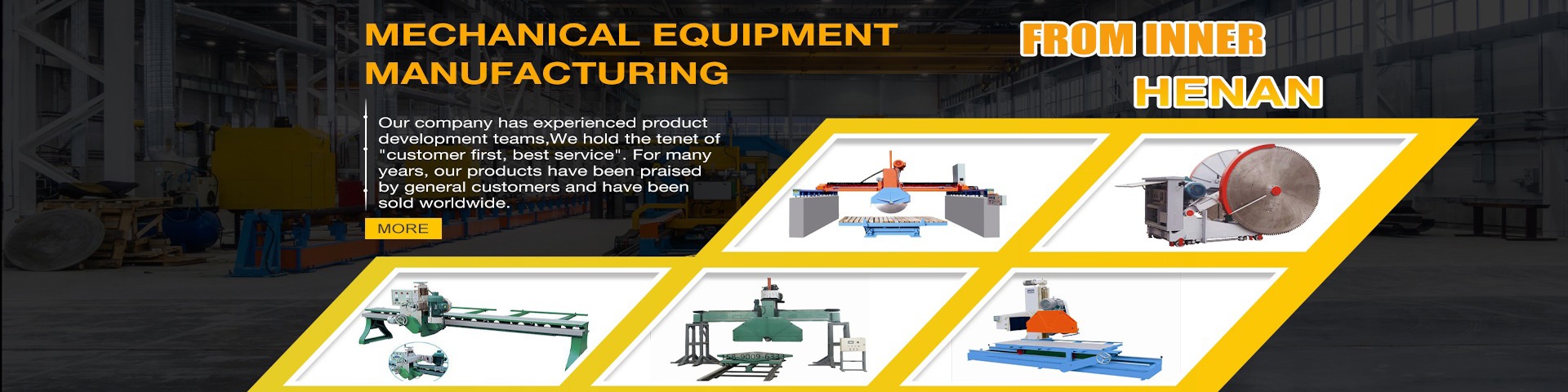
工业切割机革命性技术引领未来制造业变革
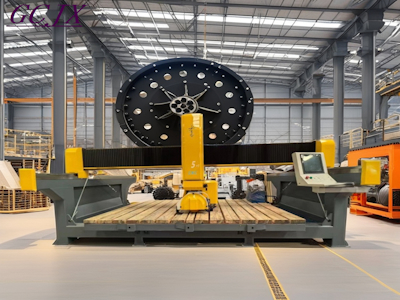
Введение: Обрабатывающая промышленность стоит на пороге новой эры, где промышленные режущие машины играют ключевую роль. С развитием таких революционных технологий, как лазерная резка, гидроабразивная резка и автоматизированные системы, отрасль переживает беспрецедентные изменения. Эти инновации не только повышают эффективность производства, но и снижают затраты, способствуя устойчивому развитию. В этой статье мы подробно рассмотрим, как эти технологии формируют будущее обрабатывающей промышленности, затрагивая исторический контекст, текущие достижения и перспективы на десятилетия вперед.
Исторический обзор развития промышленных режущих машин
Промышленные режущие машины имеют богатую историю, уходящую корнями в индустриальную революцию. Первоначально использовались механические методы, такие как пилы и ножницы, которые были трудоемкими и неточными. С появлением электричества в конце 19-го века появились более эффективные устройства, но они все еще ограничивались простыми операциями. В середине 20-го века внедрение числового программного управления (ЧПУ) ознаменовало значительный скачок, позволив автоматизировать процессы резки с высокой точностью. Однако истинная революция началась с развитием лазерных и гидроабразивных технологий в 1970-х и 1980-х годах. Лазерная резка, впервые коммерциализированная в 1960-х, стала широко применяться благодаря своей способности резать различные материалы с микроскопической точностью. Гидроабразивная резка, разработанная в 1970-х, предложила альтернативу для резки хрупких или термочувствительных материалов без теплового воздействия. С тех пор интеграция с искусственным интеллектом (ИИ) и интернетом вещей (IoT) в 21-м веке превратила эти машины в умные системы, способные к самооптимизации и прогнозному обслуживанию. Этот исторический путь демонстрирует, как постепенные инновации привели к сегодняшним революционным технологиям, готовым изменить обрабатывающую промышленность.
Лазерная резка: точность и эффективность
Лазерная резка является одной из самых передовых технологий в промышленной резке, предлагая беспрецедентную точность и скорость. Принцип работы основан на использовании сфокусированного лазерного луча, который плавит, испаряет или выдувает материал, создавая чистые и точные разрезы. Современные лазерные резаки, такие как CO2-лазеры и волоконные лазеры, могут обрабатывать широкий спектр материалов, включая металлы, пластмассы, стекло и композиты. Ключевые преимущества включают высокую скорость резки, минимальные отходы и возможность создания сложных геометрических форм без физического контакта, что снижает износ инструмента. Например, в автомобильной промышленности лазерная резка используется для производства точных деталей кузова, что улучшает безопасность и эффективность. Кроме того, интеграция с системами ЧПУ и ИИ позволяет автоматизировать весь процесс, от проектирования до производства, сокращая время цикла и повышая качество продукции. Однако challenges остаются, такие как высокие первоначальные затраты и необходимость квалифицированных операторов, но непрерывные инновации, включая развитие ультракороткоимпульсных лазеров, обещают further улучшения. В будущем лазерная резка, вероятно, станет еще более доступной и универсальной, способствуя дальнейшей автоматизации и customisation в обрабатывающей промышленности.
Гидроабразивная резка: универсальность и экологичность
Гидроабразивная резка представляет собой another революционную технологию, которая использует высокоскоростную струю воды, смешанную с абразивными частицами, для резки материалов. Этот метод особенно valuable для материалов, чувствительных к теплу, таких как камень, керамика или композиты, поскольку он исключает тепловую деформацию и зону термического влияния. Developed в 1970-х годах, гидроабразивная резка gained популярность благодаря своей универсальности и экологической безопасности. Она может резать практически любой material с толщиной до нескольких дюймов, обеспечивая высокую точность и чистоту кромки. Преимущества включают reduced environmental impact по сравнению с традиционными методами, так как она не produces harmful fumes или отходы, и может использовать recycled water. В отраслях, таких как aerospace и строительство, гидроабразивная резка используется для создания intricate деталей with tight tolerances. Современные системы оснащены advanced controls и датчиками, которые monitor and adjust параметры резки в реальном времени, enhancing efficiency. Несмотря на более высокие operating costs из-за износа сопел и потребления воды, ongoing разработки focused on improving энергоэффективность и reducing maintenance. Looking вперед, гидроабразивная резка expected to integrate с renewable energy sources и become более compact, making it ideal для small-scale и distributed manufacturing, thus supporting sustainable industrial practices.
Автоматизация и интеллектуальные системы
Автоматизация является краеугольным камнем революции в промышленных режущих машинах, превращая их из простых tools в умные, connected системы. С внедрением IoT, ИИ и robotics, современные режущие машины capable of autonomous operation, predictive maintenance, and real-time optimization. Например, системы на основе ИИ can analyze данные from sensors to predict when a blade or laser requires replacement, minimizing downtime and reducing costs. Robotics integrated with cutting machines enable fully automated production lines, where robots load, unload, and handle materials, increasing throughput and safety. In the context of Industry 4.0, these machines are part of cyber-physical systems that communicate with other equipment and central management systems, facilitating just-in-time manufacturing and mass customization. Benefits include enhanced productivity, as machines can operate 24/7 with minimal human intervention, and improved quality control through continuous monitoring. Challenges involve the high initial investment and the need for cybersecurity measures to protect against breaches. However, as technology advances, costs are decreasing, and standards are evolving to ensure reliability. Future trends point towards even greater autonomy, with machines capable of self-learning and adaptation to changing conditions, ultimately leading to lights-out factories where human involvement is minimal. This automation revolution not only boosts efficiency but also creates new job opportunities in tech-driven roles, reshaping the workforce in manufacturing.
Влияние на производительность и cost-оптимизацию
Революционные технологии в промышленных режущих машинах оказывают profound impact на productivity и cost-оптимизацию в обрабатывающей промышленности. By enabling faster, more precise, and automated processes, these machines significantly reduce production times and material waste. For instance, laser cutting can achieve cutting speeds of up to several meters per minute with tolerances within micrometers, leading to higher output rates and less scrap. Similarly, waterjet cutting minimizes material loss due to its narrow kerf and ability to nest parts closely together. Automation further enhances productivity by eliminating manual errors and reducing labor costs. Studies show that adopting advanced cutting technologies can increase overall equipment effectiveness (OEE) by up to 30% and lower operational expenses through energy savings and reduced maintenance. Cost optimization is also achieved via scalability; small and medium enterprises can now access these technologies through leasing or cloud-based services, making them more affordable. Additionally, the ability to produce complex parts in-house reduces dependency on external suppliers, shortening supply chains and mitigating risks. However, businesses must consider the total cost of ownership, including training and integration costs. Overall, the ROI for these technologies is compelling, with many companies reporting payback periods of less than two years. As innovations continue, we can expect further reductions in costs and even greater efficiencies, driving competitive advantage in global markets.
Устойчивое развитие и экологические аспекты
Устойчивое развитие является critical аспектом революции в промышленных режущих машинах, так как эти технологии способствуют reduced environmental footprint. Laser and waterjet cutting, for example, generate less waste compared to traditional mechanical methods, and often use energy-efficient systems. Waterjet cutting particularly stands out for its eco-friendliness; it uses water, which can be recycled, and abrasive materials that are often natural and non-toxic, reducing pollution. Laser cutting, while consuming significant energy, has seen improvements with fiber lasers that are up to 50% more efficient than CO2 lasers. Moreover, automation leads to optimized resource usage, minimizing overproduction and energy consumption through smart scheduling and predictive analytics. The adoption of these technologies aligns with global sustainability goals, such as those outlined in the Paris Agreement, by lowering greenhouse gas emissions and promoting circular economy practices. For instance, in the metal industry, precision cutting reduces scrap metal, which can be recycled, thus conserving natural resources. Challenges include the initial carbon footprint of manufacturing these machines and the disposal of used components, but ongoing research focuses on developing greener alternatives, such as biodegradable abrasives and renewable energy-powered systems. In the future, as regulations tighten and consumer demand for sustainable products grows, manufacturers will increasingly rely on these revolutionary cutting technologies to meet environmental standards while maintaining profitability, making sustainability a core driver of innovation in the industry.
Будущие тенденции и прогнозы
Будущее промышленных режущих машин promises even more transformative changes, driven by emerging technologies and evolving market demands. Key trends include the integration of additive manufacturing (3D printing) with subtractive processes like cutting, creating hybrid systems that offer unparalleled flexibility in production. Artificial intelligence will play a larger role, with machines becoming self-optimizing and capable of real-time decision-making based on big data analytics. For example, AI algorithms could predict material behavior under different cutting conditions, further enhancing precision and reducing trial-and-error. Another trend is the rise of digital twins, virtual replicas of physical machines, which allow for simulation and optimization before actual production, minimizing risks and costs. In terms of materials, advancements will enable cutting of newer, harder materials such as advanced ceramics and composites, expanding applications in sectors like renewable energy and medical devices. The adoption of 5G and edge computing will facilitate faster data transmission and processing, supporting real-time control in distributed manufacturing networks. Geopolitically, as global supply chains become more regionalized, these technologies will empower local production, reducing logistics costs and increasing resilience. By 2030, it is estimated that over 70% of manufacturing will incorporate some form of smart cutting technology, leading to a paradigm shift towards highly customized, on-demand production. However, challenges such as cybersecurity threats and the need for skilled workforce development must be addressed. Overall, the future looks bright, with revolutionary cutting machines at the forefront of creating a more efficient, sustainable, and innovative manufacturing landscape.
Заключение: Путь вперед
В заключение, революционные технологии в промышленных режущих машинах уже сейчас transform обрабатывающую промышленность, предлагая improved точность, эффективность, и sustainable practices. От laser и waterjet резки до advanced automation, эти инновации driving significant gains в productivity и cost-оптимизации. As we look to the future, continued advancements in AI, IoT, and materials science will further accelerate this transformation, enabling more agile and responsive manufacturing systems. Businesses that embrace these technologies will not only gain a competitive edge but also contribute to a greener economy. However, success requires investment in training, infrastructure, and collaboration across industries. By fostering innovation and addressing challenges, we can ensure that the manufacturing sector remains a powerhouse of global economic growth, powered by the cutting-edge machines that define the future. The revolution is here, and it is set to reshape our world for the better.
Предыдущая статья: выбор профессиональных резаков что учесть
Следующий пост: Уникальные строительные резаки изменившие индустрию


